

What Fruit Tea Is Good for Malaria? A Natural Guide to Relief, Recovery, and Prevention

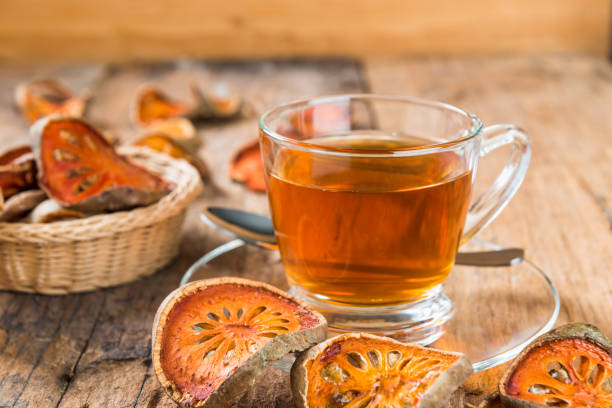
Malaria remains one of the most common health challenges in many parts of the world, especially in tropical regions like Africa. It is caused by parasites transmitted through mosquito bites and often leads to symptoms like fever, weakness, headaches, and body pain.
While medical treatment is essential, many people are now exploring natural ways to support recovery and boost immunity, and one of the most effective options is fruit tea.
In this guide, you’ll discover what fruit tea is good for malaria, how it works, and how to use it as part of your daily routine for better health.
Why Fruit Tea Is Helpful for Malaria
Fruit tea is not just a refreshing drink; it can be a powerful natural support system for your body.
The right fruit tea can:
- Help reduce fever and inflammation
- Support hydration during illness
- Boost your immune system
- Provide antioxidants that help fight infections
- Improve recovery speed
Because fruit teas are made from natural ingredients, they are gentle on the body and suitable for both adults and children.
Can Fruit Tea Help Cure Malaria Naturally?
This is one of the most common questions people ask.
Fruit tea does not replace medical treatment, but it can play an important supportive role. It helps your body:
- Stay hydrated
- Fight off weakness and fatigue
- Strengthen your immune response
Think of fruit tea as a natural support alongside proper treatment, not a replacement.
Fruit Tea That Helps With Malaria Naturally
The best fruit teas for malaria are those made with ingredients known for their health benefits.
Look for blends that include:
- Lemongrass – helps reduce fever and supports digestion
- Orange peel – rich in vitamin C for immunity
- Guava leaves or fruit – supports recovery and reduces inflammation
- Pawpaw (papaya) – supports digestion and overall health
A combination of these ingredients creates a strong tea that supports your body naturally.
Can Fruit Tea Reduce Malaria Symptoms?
Yes, fruit tea can help ease some malaria symptoms when used consistently.
It may help with:
- Reducing fever
- Improving hydration
- Easing body weakness
- Supporting digestion
While it won’t eliminate the parasite on its own, it helps your body cope better and recover faster.
Fruit Tea to Boost Immunity Against Malaria
Your immune system is your first line of defense against malaria.
Drinking fruit tea daily can help:
- Strengthen your immune response
- Provide essential vitamins like vitamin C
- Improve your body’s ability to fight infections
A strong immune system reduces the severity of symptoms and helps prevent frequent illness, and makes sure you are drinking it consistently
Which Fruit Is Good to Cure Malaria?
There are certain fruits that are especially beneficial when dealing with malaria:
- Orange – boosts immunity with vitamin C
- Guava – rich in antioxidants and nutrients
- Papaya (pawpaw) – supports digestion and recovery
- Lemon – helps detoxify the body
Combining these fruits in tea form makes them easier to consume regularly.
How to Boost Your Immune System Against Malaria
Apart from drinking fruit tea, here are simple ways to stay strong and boost your immune system against malaria:
- Eat fresh fruits and vegetables
- Drink enough water daily
- Get proper rest
- Avoid stress
- Maintain good hygiene
Adding fruit tea to your daily routine is one of the easiest ways to support your immune system.
Antioxidant Fruit Tea for Malaria Prevention
Antioxidants play a key role in protecting your body from damage.
Fruit tea rich in antioxidants can:
- Help your body fight infections
- Reduce inflammation
- Support long-term health
Regular consumption may help reduce the chances of frequent illness.
What Not to Eat During Malaria
Your diet matters a lot during recovery, so make sure you avoid eating what is listed below.
Avoid:
- Oily and fried foods
- Highly processed foods
- Sugary drinks
- Alcohol
Instead, focus on light, natural foods and plenty of fluids like fruit tea.
Can You Recover from Malaria Without Medication?
Malaria is a serious condition and should always be treated properly.
Natural remedies like fruit tea can support recovery, but they should not replace prescribed treatment.
The best approach is:
Medical treatment + natural support (like fruit tea)
A Powerful Antimalaria Fruit Tea You Can Use
If you’re looking for a convenient and effective option, here’s a natural blend you can include in your routine:
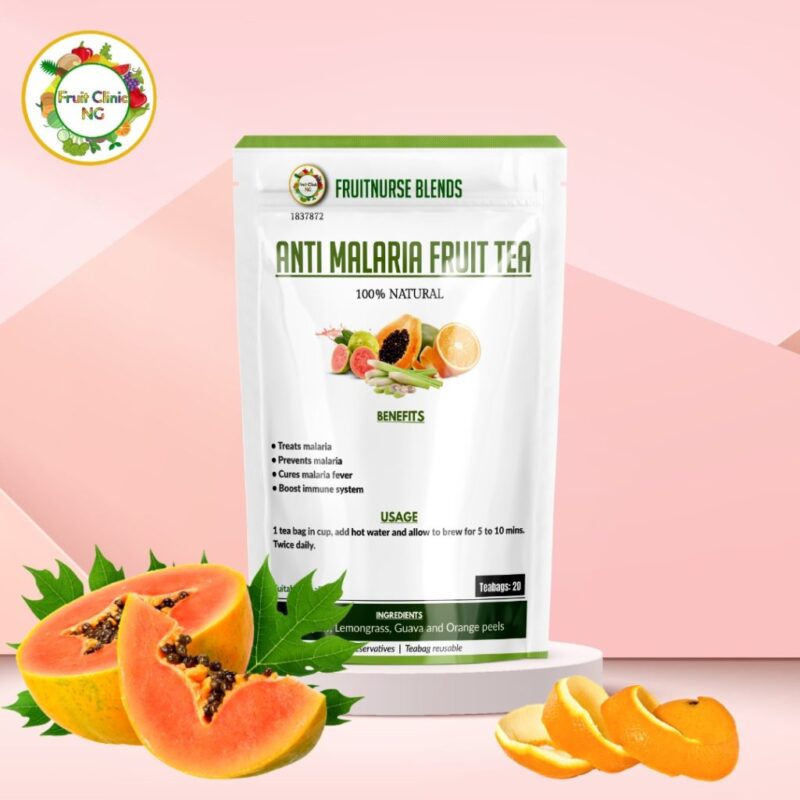
Antimalaria Fruit Tea
Can fruit tea reduce malaria symptoms?
fruit tea to boost immunity against malaria?
Which fruit is good to cure malaria?
How to boost your immune system against malaria?
Antioxidant fruit tea for malaria prevention?
What not to eat during malaria?
Can you recover from malaria without medication?
Fruit Tea
Original price was: ₦12,000.00. Current price is: ₦8,000.00.
A fruit blend that helps treat malaria, cure fever, and support preventive methods, 100% natural and suitable for all, both adults and kids.
Ingredients: Pawpaw, lemongrass, guava, and orange peel
Usage: Put 1 teabag in a cup, add hot water, and let it steep for 5 to 10 minutes before drinking, twice daily.
Benefits:
– treats malaria
– prevents malaria
– cures malaria fever
– boosts the immune system
No preservatives, no additives, no chemicals, no sugar.
Size: 60g
This blend combines key fruits and herbs that support recovery, hydration, and immune strength.
How to Use Fruit Tea for Best Results
To get the most out of your fruit tea:
- Drink 2 times daily
- Stay consistent during recovery
- Combine with a healthy diet
- Get enough rest
Consistency is what brings results.
Benefits of Fruit Tea for Malaria
Regular use of fruit tea can:
- Improve energy levels
- Support faster recovery
- Boost immunity
- Help prevent frequent illness
- Keep your body hydrated
Final Thoughts
So, what fruit tea is good for malaria?
The best fruit tea is one that combines immune-boosting fruits like orange, guava, and pawpaw with herbs like lemongrass.
Fruit tea is a simple, natural, and effective way to support your body during malaria recovery and prevention. While it should not replace medical treatment, it plays a valuable role in helping your body stay strong.
Make it part of your daily routine, stay consistent, and combine it with healthy habits. Your body will thank you.